Why not GI-based tourism?
- Post Time : Tuesday, November 26, 2024
Report by Ahsanul Mahbub Jubair
Coordination with history, tradition, and culture is essential for the sustainable development of the tourism industry. The tourism industry will be long-lasting if it matches people’s daily lives. Despite being called the ‘Bangladesh: The Queen of Nature’, the tourism industry plays a relatively tiny part in the national economy. In order to achieve the Sustainable Development Goals by 2030, Bangladesh’s tourist sector must be accorded the same priority as the developing country.
A few days ago, a social movement took place in Bangladesh for the recognition of the Geographical Indication (GI) of Tangail Sarees. Before Bangladesh, India’s Ministry of Cultural Affairs made a fuss by claiming Tangail’s sari as its own GI product. After that, there was a demand to list the famous products of different regions of the country on the GI list. If the Ministry of Commerce of the government lists the famous products of different regions of the country, will it be free of liability? Bangladesh has the chance to establish a GI-based tourism hub because it is a nation with enormous tourism potential.
There are over 15 hundred places to visit in the country, according to the Bangladesh Tourism Corporation. However, there are about fifty popular tourist destinations. The Ministry of Commerce has listed 28 GI products. Additionally, countrywide product registration for items on the GI list is proceeding.
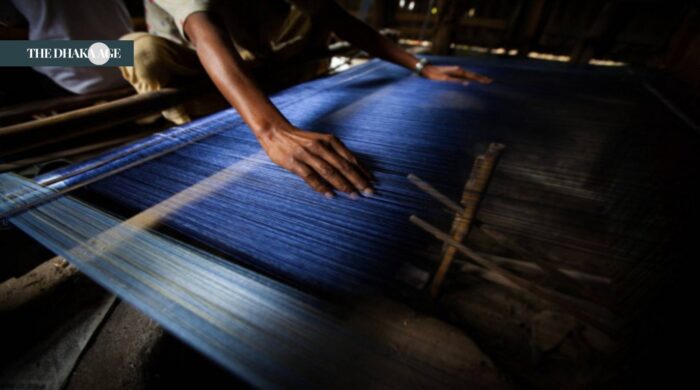
In this mess of GI product listings, there is a problem when looking for Tangail sarees. The scene of sari weaving was not seen anywhere. Locals are not even aware. Where can I see saree weaving? Even after looking for Saree Palli, the locals did not get an answer.
In 2016, the Jamdani saree was recognized as the first GI product in Bangladesh. After those, 20 more products got recognition. They are, Bangladesh hilsa, khirsapat mango of Chapainawabganj, white soil of Vijaypur, Kataribhog of Dinajpur, Kalijira, shataranji of Rangpur, Rajshahi silk, Dhakai Muslin, Rajshahi-Chapainbabganj Fazli Mango, Bangladeshi Bagda Shrimp, Bangladeshi Shital Pati, Curd of Bogra, Tulshimala Paddy of Sherpur, Langra Mango of Chapainbabganj, Ashwina Mango of Chapainbabganj, Natore Kachagolla, Black Bengal Goat, Tangail Porabari Chamcham, Comilla Rashmalai, and Kushtia Sesame Khaja.
Recently approved 3 GI products are, Tangail saree, Amritsagar Banana from Narsingdi, and Rasgolla from Gopalganj. Also, in process are, Nakshi Kantha from Jamalpur and Khejur Gur from Jessore.
The name of Natore’s famous Kachagolla is recognized all over the world. But if you go to look for those raw bullets, it will be a lot of trouble. Rajshahi silk, Dhakai muslin, and Shitalpati are about to lose. It is not possible to see the manufacturing process or origin of most GI-listed products. Fazli Mango of Rajshahi-Chapainawabganj, Bagda Shrimp, Langra and Ashwina Mango of Chapainawabganj, although there is an opportunity to see them separately, no sightseeing place or tourist hub has been developed around them. In addition to listing GI products, there is a need to develop tourist hub. So that any tourist from home or abroad can know about the process, origin, and history of these products.
According to experts, local people will be more attracted to these professions if GI-based tourism is developed. In addition to the income from the sale of goods, additional income will come from tourism for the concerned people. GI products are recognized as ‘International Property Rights’. The tourism sector has been identified as an important economic and trade source worldwide. Many countries around the world have built their economies on the tourism sector. The tourism sector has become a significant source of income for many developing countries.
Professor and Head of the Department of Tourism and Hospitality Management, Dhaka University, Santosh Kumar Dev, said that, all the products that have geographical identification, such as Kachagolla of Natore, Rasmalai of Comilla, and Chamcham of Tangail, have many such products that tourists travel from one place to another to try. We have been hearing about Jamdani and Dhakai muslin cloth from our ancestors since ancient times. Foreign tourists also come from one country to another to buy or see these ‘geographical identification’ products. If we develop this GI-based tourism, the brand value of these products will increase. Suggesting the development of a product-centric village, Santosh Kumar Dev said, Tangail’s sari, Dhakai muslin, or Tangail’s chamcham—this central village can be developed. Then tourists can know about the process of making these products as well as the lifestyles of people. This will increase the source of income for the local people. People will be more motivated in these professions. The standard of living of the local people will increase.