Floating Schools Keep Education Afloat in Flood-Prone Chalan Beel
- Post Time : Wednesday, April 1, 2026
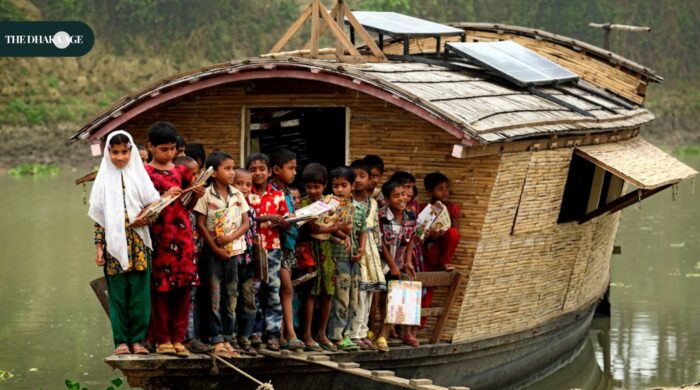
Ten-year-old Rakibul Islam waits at the edge of his village in Bhangura, Pabna, watching the floodwaters for a familiar sight. During the monsoon, when roads disappear and dry land vanishes, his school arrives not by road—but by boat.
Soon, a wooden boat fitted with solar panels glides toward the bank. Rakib climbs aboard, notebook in hand. For him and thousands of other children, school does not close during floods—it floats.
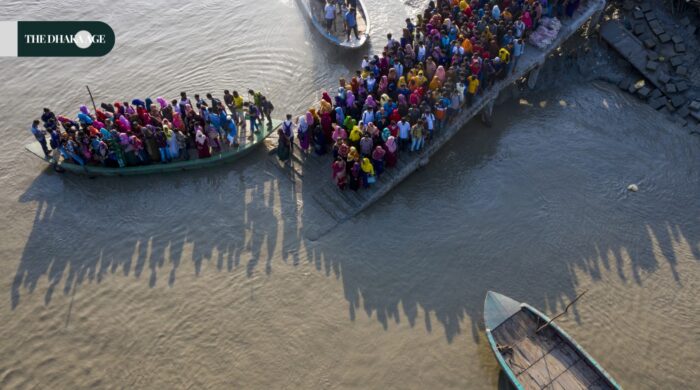
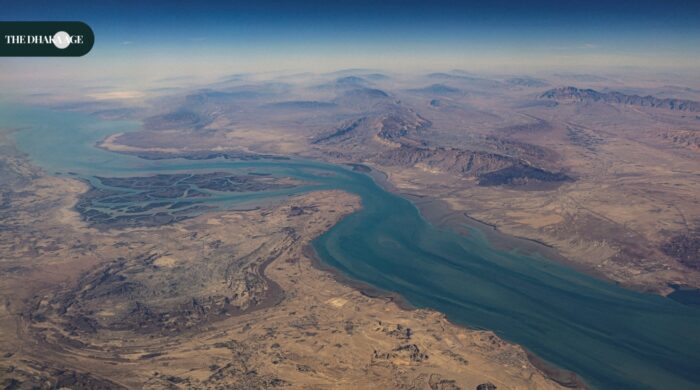
Chalan Beel, Bangladesh’s largest wetland spanning around 1,150 square kilometres across Sirajganj, Natore, and Pabna, remains submerged for four to six months each year. During this time, conventional schools shut down, leaving children without access to education. For many—especially girls with limited mobility—the interruption can lead to permanent dropout.
The floating schools were created to address this reality.
The idea was developed by architect Mohammed Rezwan, who grew up in a flood-prone region and experienced repeated disruptions to his own education. While studying at BUET, he initially envisioned building permanent schools in vulnerable areas. But he soon realized that concrete structures could not survive the floods.
In 1998, with just $500 in savings and an old computer, he founded Shidhulai Swanirvar Sangstha. After years of effort and outreach, the first floating school was launched in 2002 in Singra, Natore.
Today, the organization operates 39 boats across the Chalan Beel region. Among them, 26 serve as floating schools, 10 function as libraries and computer labs, and seven are used as training centres.
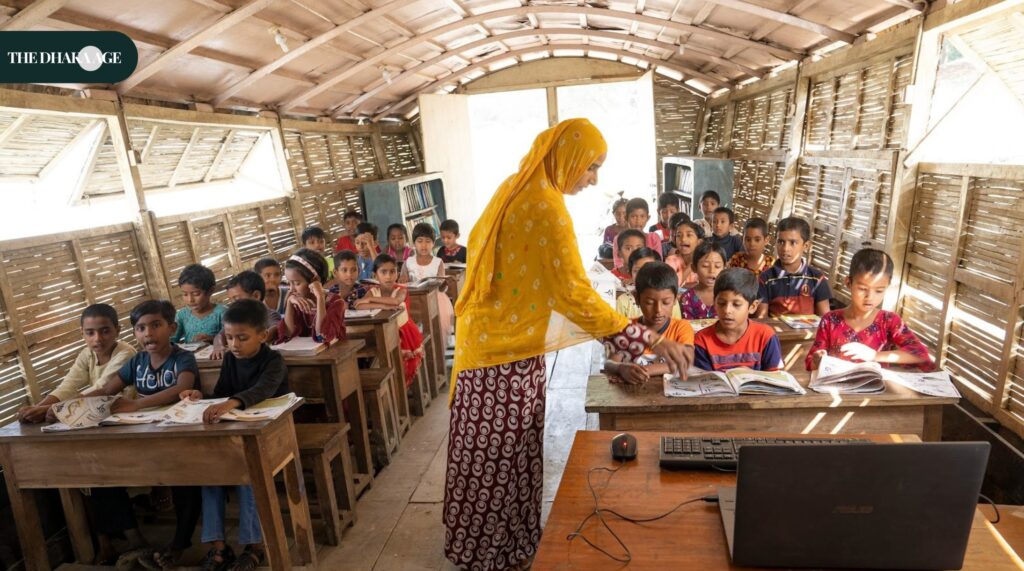
Classes are held six days a week in three shifts per day, with each session lasting about three hours and accommodating around 30 students. This “school on a boat” model reverses traditional education delivery—students no longer travel to school; the school comes to them.
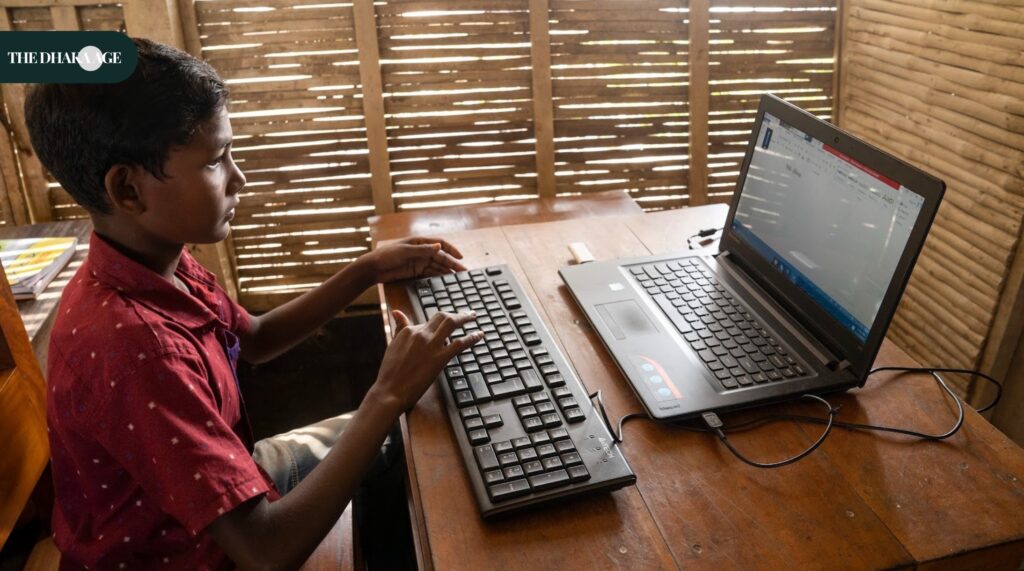
Built using local materials such as timber, bamboo, and tin, the boats are designed for shallow floodwaters. Solar panels provide electricity, enabling lighting and computer use even in remote, off-grid areas.
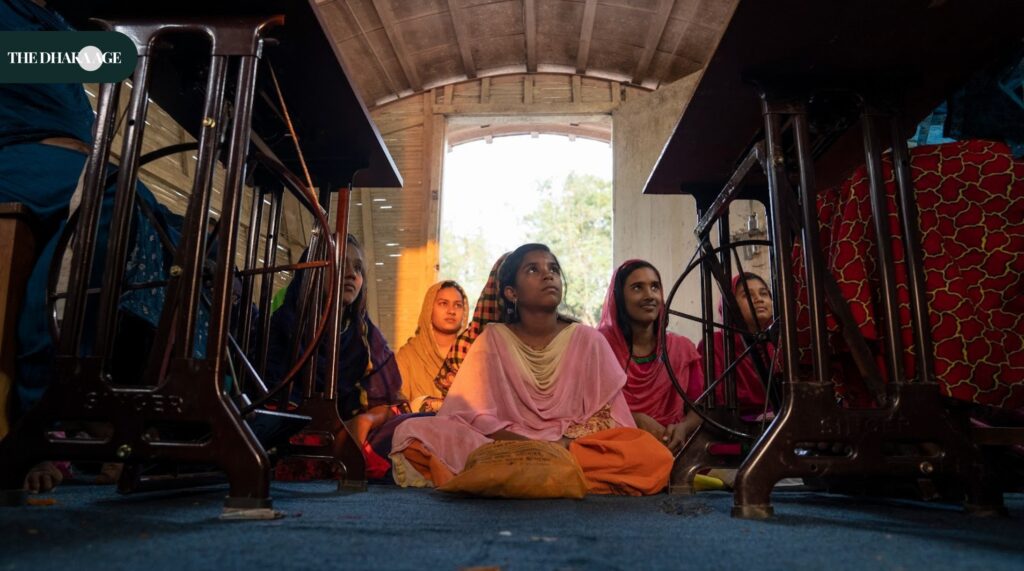
Beyond children’s education, the initiative also includes floating libraries and digital labs, helping bridge the technological gap in rural communities. Training boats offer skills development programs, particularly for women, including sustainable agriculture practices suited for flooded environments.
Since its inception, more than 22,500 students have graduated from these floating schools. During severe floods, the boats also serve as emergency shelters, combining education with humanitarian support.
In 2025, the initiative gained global recognition by receiving the UNESCO Confucius Prize for Literacy, highlighting its success in delivering education to marginalized communities through innovative, locally driven solutions.
Despite its achievements, challenges remain. With only 39 boats serving a vast wetland and hundreds of scattered villages, the demand far exceeds capacity. The organization aims to expand its fleet, introduce more digital learning tools, and launch floating healthcare services—but funding continues to be a major constraint.
Still, the floating schools of Chalan Beel stand as a powerful example of resilience and innovation, proving that even in the face of climate adversity, education can continue—no matter the conditions.
Anonno Afroz/TBS